First-Time Homebuyer Programs: Where to Look for Help
Saving for a down payment and closing costs is one of the biggest hurdles for first-time buyers. The good news is that many government and nonprofit programs exist to help. This guide explains the main categories and where to find accurate, current information.
Program rules, income limits and funding change often. Always confirm details directly with the program administrator or an approved lender.
Who counts as a first-time buyer?
Many programs define a first-time buyer as someone who has not owned a principal residence in the past three years, which means some previous owners may qualify. Definitions vary, so check each program.
Federal loan programs
FHA loans
Loans insured by the Federal Housing Administration, part of HUD, allow lower down payments and can be more flexible on credit than some conventional loans. They require mortgage insurance premiums. Learn more from HUD.
VA loans
Eligible veterans, service members and some surviving spouses may qualify for loans guaranteed by the U.S. Department of Veterans Affairs, often with no down payment requirement. See VA home loans.
USDA loans
The U.S. Department of Agriculture offers home loan programs for eligible rural and some suburban areas, subject to income limits. See USDA Rural Development.
Conventional low down payment options
Fannie Mae and Freddie Mac offer conventional loan programs with lower down payments for eligible borrowers. Ask lenders about these options and their requirements.
State housing finance agencies
Every state has a housing finance agency that offers programs such as down payment assistance, closing cost help, below-market rate loans or mortgage credit certificates. In California, the California Housing Finance Agency (CalHFA) offers first mortgage and down payment assistance programs through approved lenders. In other states, search for your state’s housing finance agency.
City and county programs
Many cities and counties run their own assistance programs, often funded through federal grants. These may include deferred or forgivable second loans for down payments. In Los Angeles, the Los Angeles Housing Department has offered homeownership programs, and the Los Angeles County Development Authority offers county programs. Funding is often limited and may open and close during the year.
Employer and nonprofit programs
Some employers, unions, credit unions and nonprofits offer homebuyer assistance or education. Community land trusts and Habitat for Humanity affiliates in some areas help buyers purchase homes with long-term affordability requirements.
Homebuyer education
Many assistance programs require completion of a homebuyer education course. Even if not required, these courses can help you understand budgets, loans and the buying process. HUD-approved housing counseling agencies offer education and one-on-one counseling, often free or low cost. Find one through HUD’s counselor search.
Common program requirements
- Income limits based on area median income and household size
- Purchase price limits
- Owner occupancy: you must live in the home as your primary residence
- Minimum credit score and debt-to-income limits set by the lender or program
- Homebuyer education completion
- Repayment terms: some assistance must be repaid when you sell or refinance; some is forgiven over time
Questions to ask before using assistance
- Is this a grant, a forgivable loan or a deferred loan that must be repaid?
- When is repayment due, and how is the amount calculated?
- Are there restrictions on resale or renting out the home?
- Does the program affect my interest rate or fees?
- Which lenders participate?
Beware of scams
Legitimate programs are administered by government agencies, approved lenders or established nonprofits. Be cautious of anyone promising guaranteed grants in exchange for an upfront fee.
Next steps
Start by talking with a HUD-approved housing counselor and a few lenders who participate in your state’s programs. Then get preapproved; see our mortgage preapproval guide.
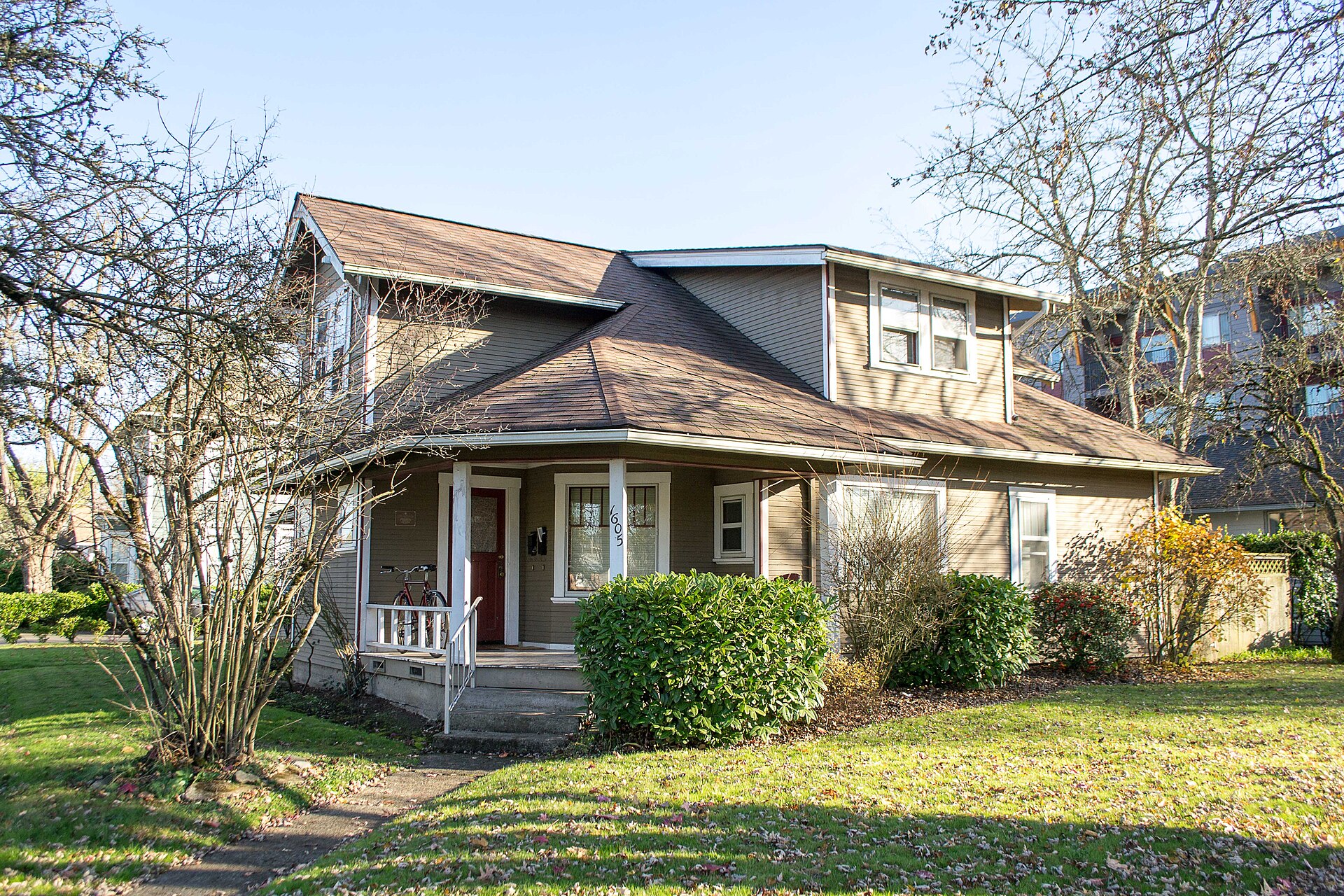
Photo: Visitor7 / Wikimedia Commons, CC BY-SA 3.0
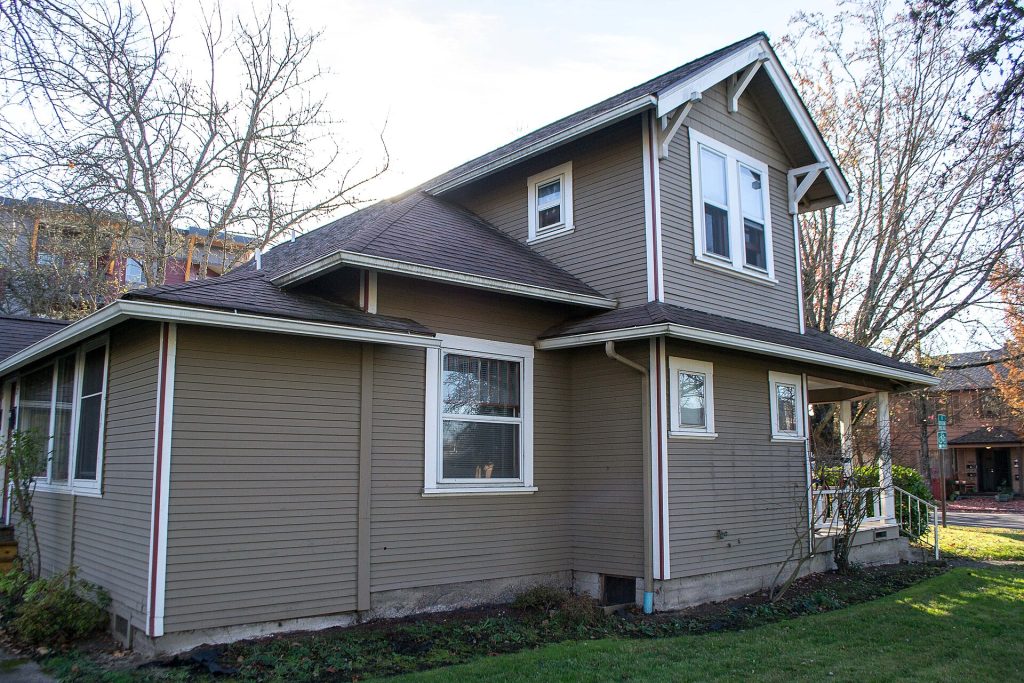
Photo: Visitor7 / Wikimedia Commons, CC BY-SA 3.0
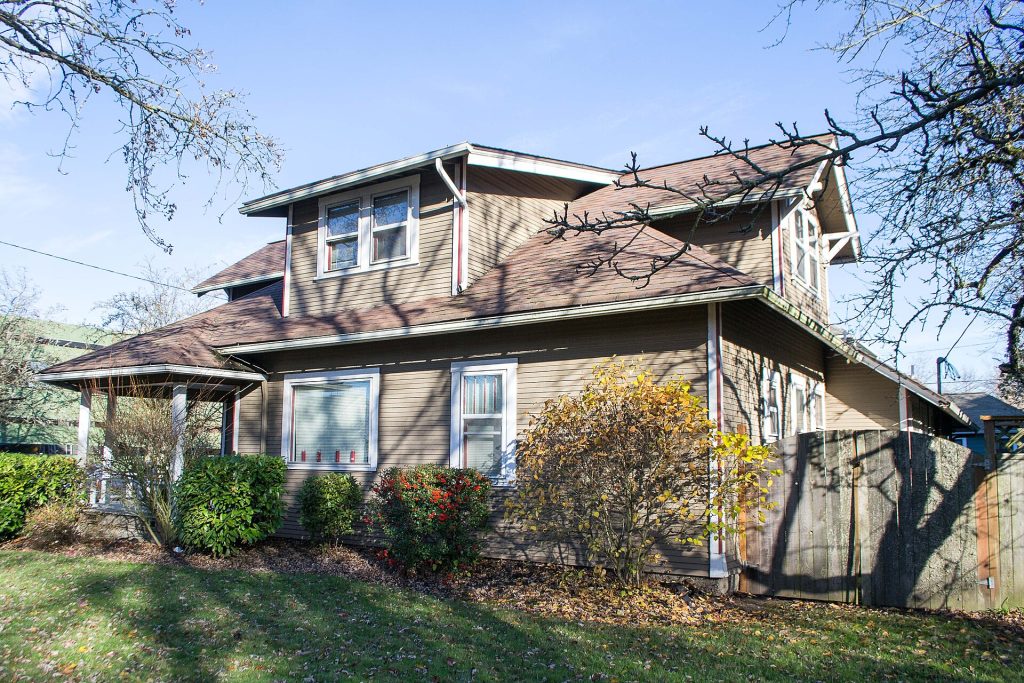
Photo: Visitor7 / Wikimedia Commons, CC BY-SA 3.0