Tenant Rights Basics: What Every Renter Should Know
Renters in the United States have a set of legal protections that come from federal, state and local law. The details vary considerably depending on where you live, but some core ideas show up almost everywhere. Knowing them helps you recognize when something is wrong and where to turn for help.
This article is general educational information and not legal advice. For your specific situation, contact a local legal aid organization, tenant union or attorney. Links below point to official government resources.
1. The right to fair housing
The federal Fair Housing Act prohibits discrimination in housing based on race, color, national origin, religion, sex (including sexual orientation and gender identity, according to HUD), familial status and disability. That covers advertising, applications, rental terms and treatment during a tenancy. Many states and cities add more protected categories, such as source of income, age or marital status.
People with disabilities may request reasonable accommodations, such as a change to a rule or policy, and reasonable modifications to the unit. If you believe you have experienced housing discrimination, you can learn about filing a complaint on the HUD fair housing complaint page.
2. The right to a habitable home
Most states recognize that landlords must keep rental housing fit to live in. This is often called the “implied warranty of habitability.” While definitions differ, it generally includes things like:
- Working plumbing, hot and cold water, and sanitary facilities
- Heat, and safe electrical and gas systems
- A weatherproof structure with no serious leaks
- Freedom from serious pest infestations
- Required safety devices, such as smoke detectors
If something serious breaks, notify your landlord in writing and keep a copy. States have different rules about what tenants can do if repairs are not made, and some remedies, such as withholding rent, can carry real risks if done incorrectly. Check your state’s official guidance before taking action. California renters, for instance, can find information through the California Courts self-help landlord/tenant section.
3. The right to privacy and notice before entry
Even though the landlord owns the property, the apartment is your home. Many states require landlords to give reasonable advance notice, often 24 hours, before entering for non-emergency reasons such as repairs or showings, and to enter at reasonable times. Emergencies like a burst pipe or fire are usually exceptions. Your lease may also describe entry rules, but state law generally sets the minimum protections.
4. Security deposit protections
States commonly regulate how much a landlord can collect as a security deposit, what deductions are permitted, and how quickly the deposit must be returned after you move out. Deductions are typically allowed for unpaid rent, cleaning to return the unit to its move-in condition, and damage beyond normal wear and tear. Many states require an itemized statement of deductions. Good move-in and move-out photos are your best evidence if there is a dispute. See our guide on getting your security deposit back.
5. Protection from retaliation
Many states prohibit landlords from retaliating against tenants for exercising legal rights, such as requesting repairs, reporting code violations to local authorities, or joining a tenant organization. Retaliation could include raising rent, reducing services or trying to end a tenancy shortly after a complaint. Keep written records of your requests and any response.
6. Rules for rent increases
Outside of rent-regulated areas, landlords can usually raise rent at the end of a lease or with proper written notice for month-to-month tenancies. Some states and cities have rent stabilization or “just cause” eviction laws that limit increases and the reasons a tenancy can be ended. California, for example, has a statewide law on rent caps and just cause for many units, and some cities, including Los Angeles, have additional local rules. Check your city housing department for details about your building.
7. The right to due process before eviction
In the United States, a landlord generally cannot remove a tenant by changing the locks, removing belongings or shutting off utilities. These “self-help” evictions are illegal in most states. Instead, the landlord must give proper written notice and, if the tenant does not leave, go through a court process. Only a court order, usually carried out by a sheriff or marshal, can legally remove a tenant.
If you receive an eviction notice or court papers, do not ignore them. Deadlines in eviction cases can be very short. Reach out to legal aid quickly. The Consumer Financial Protection Bureau maintains a page on help for renters with links to assistance and legal resources.
8. Required disclosures
Landlords are often required to disclose certain information. At the federal level, housing built before 1978 requires a lead-based paint disclosure. States may also require disclosures about mold, bedbugs, flood zones, shared utility meters or the identity of the owner or manager. These disclosures help you make an informed decision.
Your responsibilities as a tenant
Rights come with obligations. Tenants are generally expected to pay rent on time, keep the unit reasonably clean and safe, avoid damaging the property, follow the lease rules, not disturb neighbors, and give proper notice before moving out. Meeting these responsibilities strengthens your position if a dispute ever arises.
Practical habits that protect you
- Keep a copy of your signed lease and all addenda.
- Pay rent in a way that creates a record, and keep receipts.
- Make repair requests in writing and note dates.
- Photograph the unit at move-in and move-out.
- Save texts and emails with your landlord.
- Learn the name of your local housing or code enforcement agency.
Where to get help
Start with official sources for your state and city. Useful places include your state attorney general’s consumer protection office, your city or county housing department, state court self-help centers, and nonprofit legal aid groups. HUD also lists tenant rights resources by state. A short consultation with a knowledgeable local advocate can clarify your options before a problem grows.
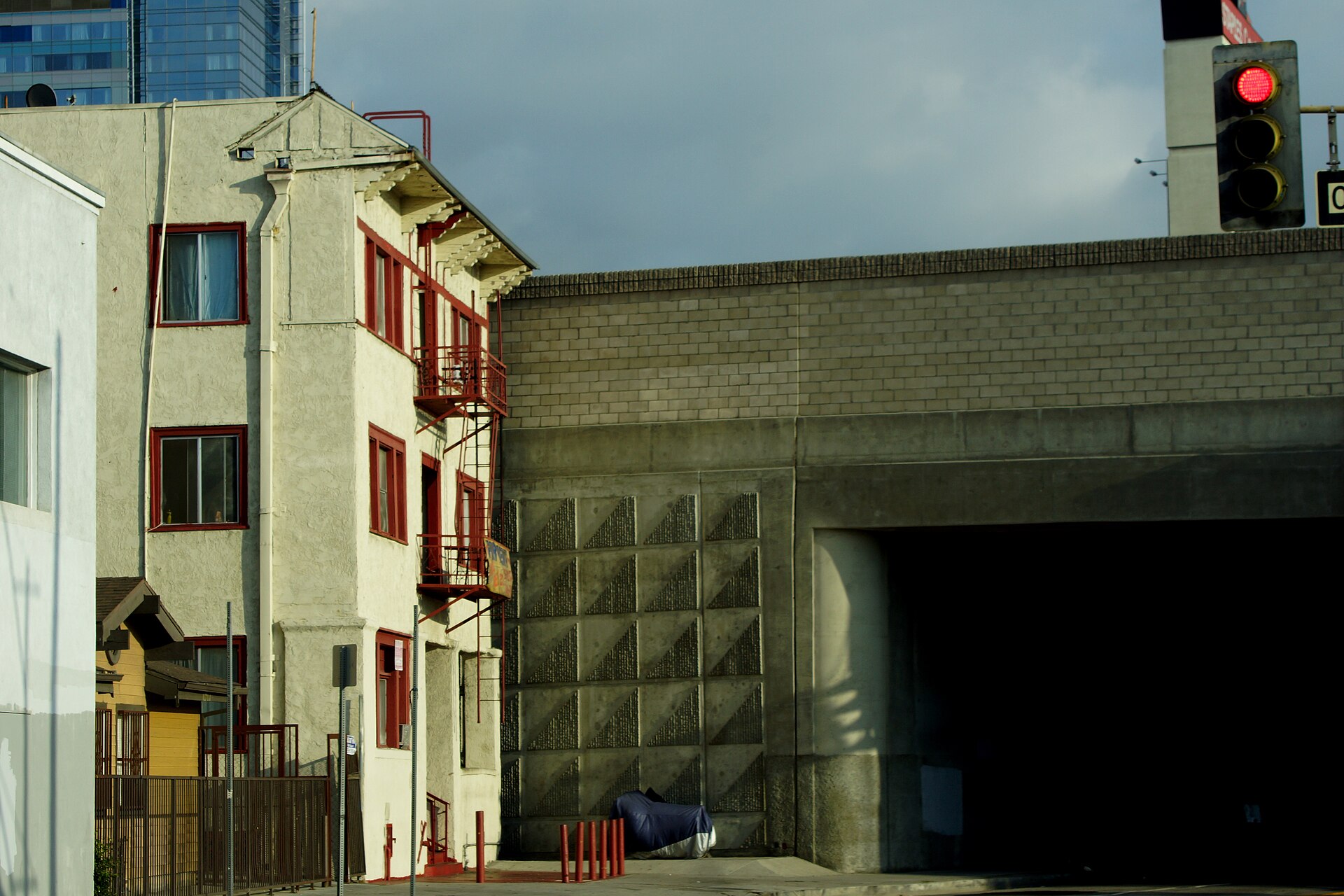
Photo: Chris English / Wikimedia Commons, CC BY-SA 3.0
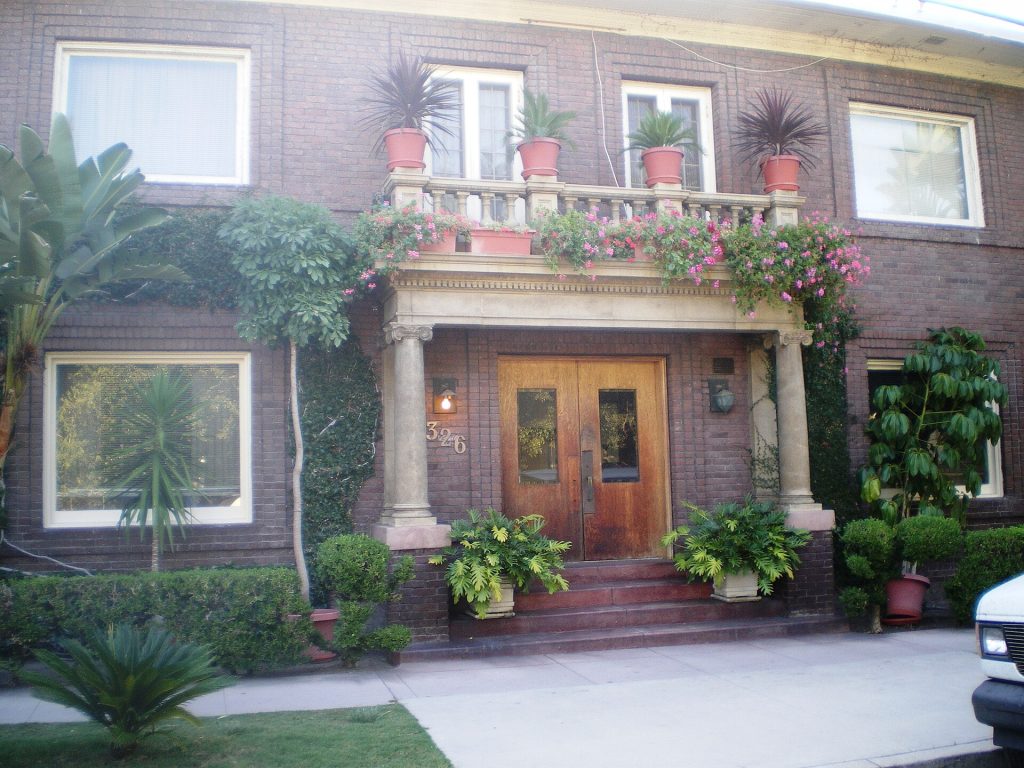
Photo: Los Angeles / Wikimedia Commons, CC BY-SA 3.0
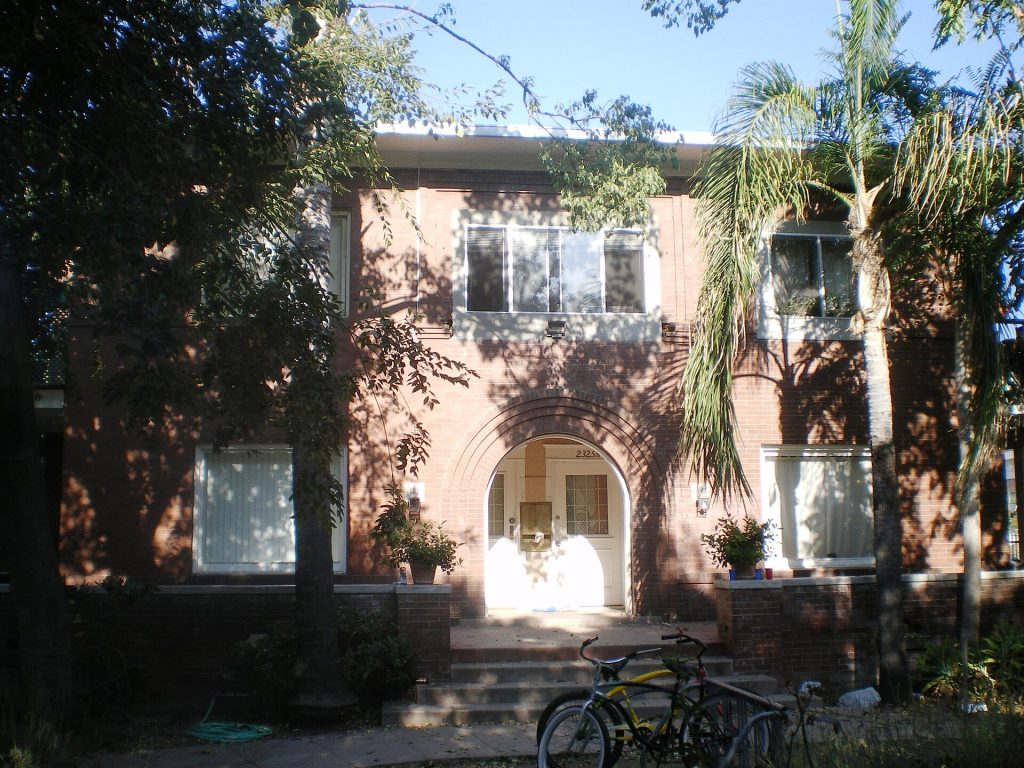
Photo: Los Angeles / Wikimedia Commons, CC BY-SA 3.0