Renting in Santa Monica: A Neighborhood Guide
Santa Monica is an independent city on the coast, surrounded on most sides by the City of Los Angeles. It is known for its beach, its pier, a walkable downtown and a strong cycling culture. For renters, it also has its own set of housing rules. This guide gives an overview of what living there is like and how to approach an apartment search.
Always confirm current rules, rents and availability directly with official sources and landlords.
A city, not a neighborhood
Because Santa Monica is its own city, it has its own city council, police department, services and local laws. That matters for renters. Santa Monica has a long-standing rent control system administered by the Santa Monica Rent Control Board, which covers many older apartment buildings. If you are looking at an older building, check whether your unit is covered and what that means for future rent increases.
Areas within Santa Monica
Santa Monica is compact, but its areas have distinct personalities:
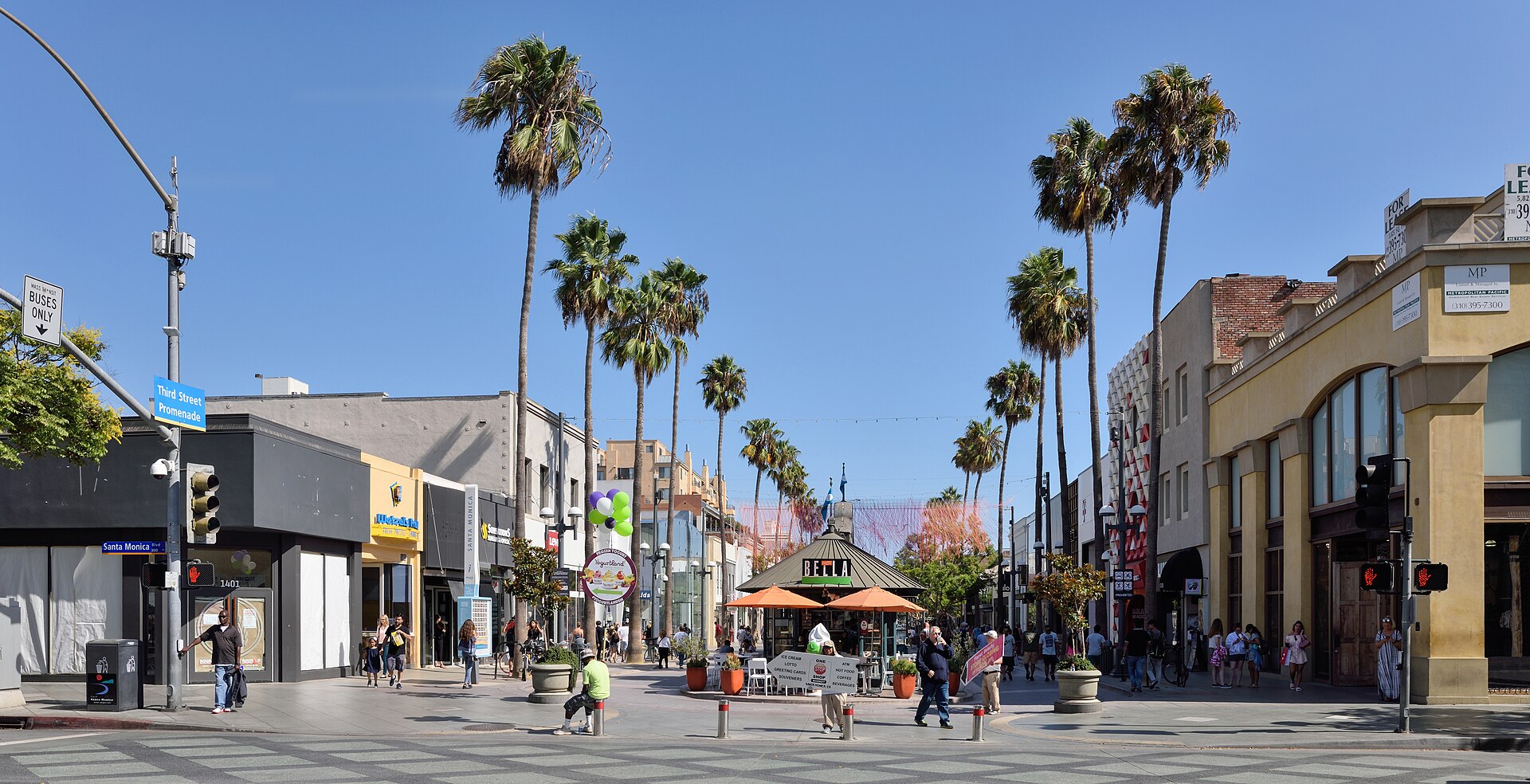
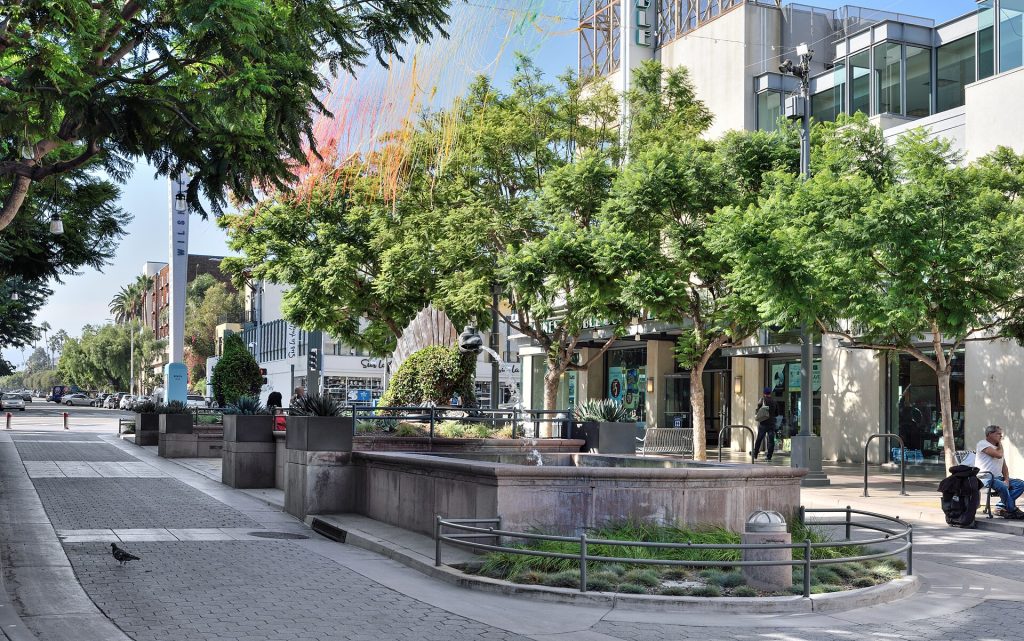
- Downtown: Centered on the Third Street Promenade, a pedestrian shopping street, plus Santa Monica Place. It is busy, walkable and close to the pier and beach.
- Ocean Park: South of downtown along the coast, with Main Street’s shops and cafes and a more residential, laid-back feel.
- Wilshire Montana and North of Montana: Northern areas known for tree-lined streets. Montana Avenue has boutiques and restaurants.
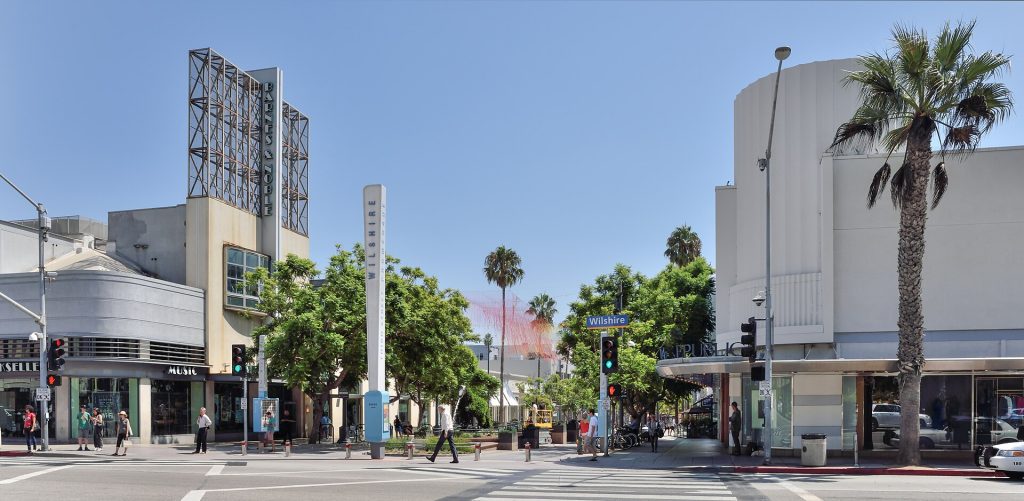
- Mid-City: Inland areas around the Wilshire and Santa Monica Boulevard corridors, with many apartment buildings and easy access to services.
- Pico and Sunset Park: Southern and eastern neighborhoods with a mix of apartments and homes, near the Santa Monica Airport area and Santa Monica College.
The beach and outdoors
The beach is the city’s defining feature. The Santa Monica Pier, with its amusement park, is a famous landmark. A paved beach path, often called the Marvin Braude Bike Trail, runs along the sand toward Venice and beyond. Palisades Park, on the bluffs above the beach, is a popular place for walks. Coastal weather tends to be milder than inland LA, with cool mornings and marine layer clouds common in late spring and early summer.
Getting around
Santa Monica is one of the easier places in the region to live with less driving. The Metro E Line light rail connects downtown Santa Monica with Culver City and Downtown Los Angeles, with stations within the city including Downtown Santa Monica. The city’s own bus system, the Big Blue Bus, serves Santa Monica and nearby areas. Check Big Blue Bus and LA Metro for current routes.
Biking is popular, thanks to bike lanes and the compact layout, and shared bikes and scooters are common. Driving and parking can be challenging in busy areas. Many residential streets have preferential parking permits, so ask landlords about included parking and how permits work for your address.
Apartment hunting tips
- Know whether a unit is rent controlled. The Rent Control Board provides information and resources for tenants; look up the property before you sign.
- Consider proximity to the beach versus inland. Units near the ocean may be cooler and breezier, while inland areas may have more parking and slightly different building types.
- Ask about parking in writing. A dedicated space can be very valuable, so make sure it is listed in the lease.
- Check for noise. Downtown, the pier area and major boulevards can be lively, especially on weekends.
- Look at the building’s age. Older buildings may have charm and rent control coverage but fewer modern amenities; newer buildings may offer amenities and parking but different rules.
- Move fast with documents ready. Desirable coastal units can rent quickly.
Everyday life
Farmers markets are an important part of local life; the city operates several weekly markets, including the well-known Wednesday market downtown. Grocery stores, pharmacies and gyms are spread throughout the city. Santa Monica College, a large community college, is located in the city. Families can find information about public schools from the Santa Monica-Malibu Unified School District.
Who tends to like Santa Monica
Santa Monica often appeals to renters who want a walkable, bike-friendly lifestyle by the ocean, with transit access to other parts of LA. People who commute to the Westside, Silicon Beach area or Culver City may find it convenient. Those who need to drive daily to the Valley or east of Downtown should test that commute carefully at rush hour.
Next steps
Walk a few areas on a weekday and a weekend, make a short list of blocks you love, and learn about rent control coverage for the buildings you are considering. Then use our guides on finding an apartment and understanding your lease to finish the process with confidence.
Frequently asked questions
Is Santa Monica part of Los Angeles?
No. Santa Monica is an independent city in Los Angeles County with its own government and its own rent control rules, which differ from those of the City of Los Angeles.
How do I find out if an apartment is rent controlled?
Contact the Santa Monica Rent Control Board or use the resources on its official website to look up a property. Ask the landlord as well, and keep any written answer.
Do I need a car in Santa Monica?
Many residents get by with transit, biking and walking, especially near downtown and the E Line stations. If you commute to areas without good transit, a car may still be necessary, so check parking availability for any apartment you consider.
Photo: Cayambe / Wikimedia Commons, CC BY-SA 4.0
Photo: Cayambe / Wikimedia Commons, CC BY-SA 4.0
Photo: Cayambe / Wikimedia Commons, CC BY-SA 4.0