Koreatown and Downtown LA: A Guide for Apartment Renters
Koreatown and Downtown Los Angeles (DTLA) are two of the most urban, apartment-dense parts of the city. They are connected by the Metro subway and by Wilshire Boulevard, and both attract renters who want city energy, food and transit access. This guide describes each area and offers practical tips for finding an apartment there.
Areas change quickly, especially Downtown. Visit at different times of day and confirm current details before signing a lease.
Koreatown
Koreatown sits west of Downtown, roughly centered on Wilshire Boulevard between areas such as Westlake to the east and Mid-Wilshire to the west. It is one of the most densely populated neighborhoods in Los Angeles and is known for its large Korean American community and businesses, as well as a diverse population with strong Latino and other communities.
The neighborhood is famous for its food scene, with Korean barbecue, noodle shops, bakeries and cafes, as well as restaurants serving many other cuisines. Many places stay open late, which gives the area a lively evening atmosphere.
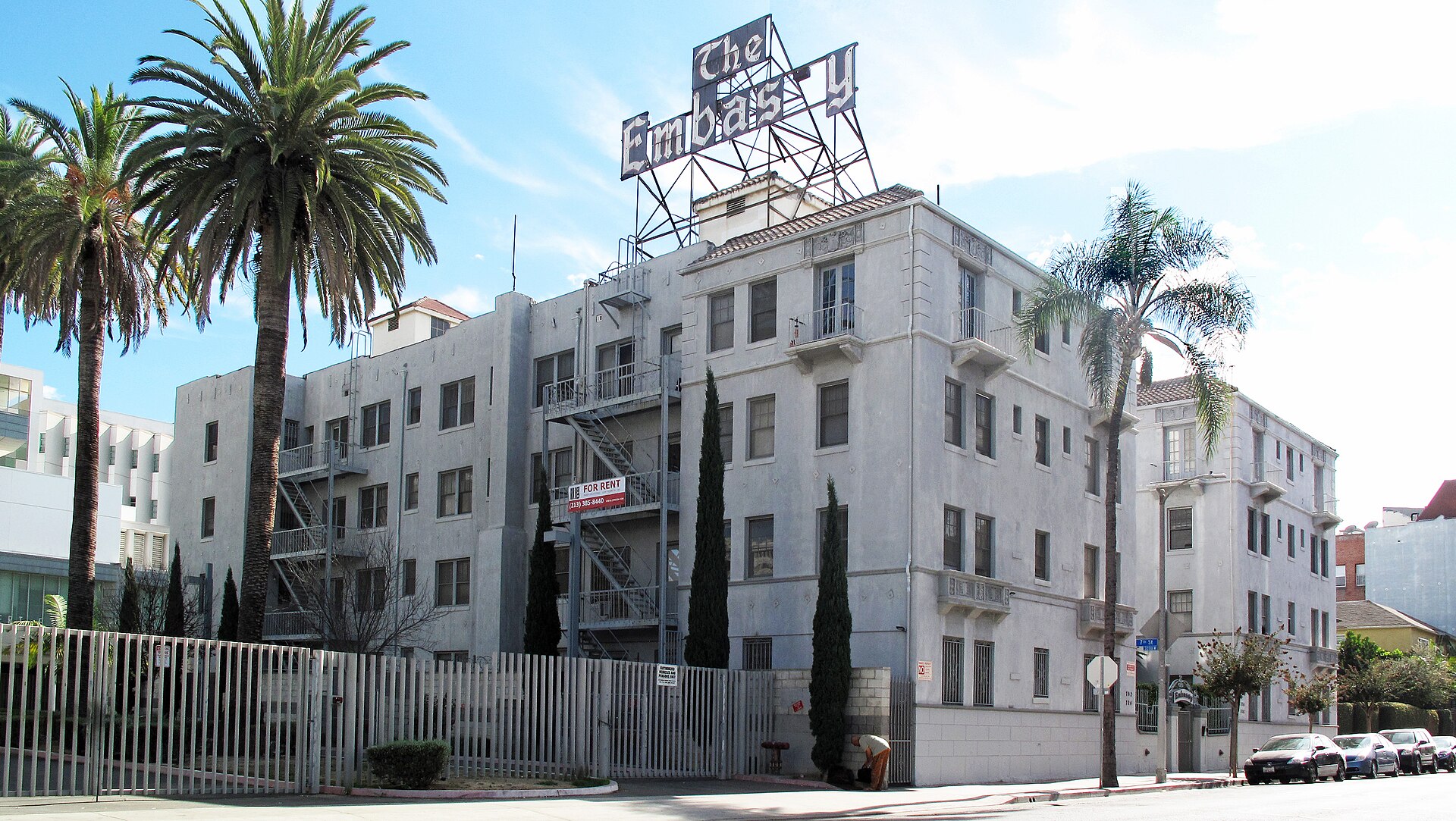
Koreatown’s housing stock includes many historic apartment buildings from the 1920s and later, some with Art Deco or Spanish-influenced architecture, along with mid-century buildings and newer high-rise towers along Wilshire. That variety means a wide range of options, from older studios and one-bedrooms to amenity-rich new units.
Getting around Koreatown
The Metro D Line subway runs under Wilshire Boulevard with stations including Wilshire/Vermont, Wilshire/Normandie and Wilshire/Western. The B Line also serves Wilshire/Vermont and continues north to Hollywood. Many bus lines cross the neighborhood. Parking can be difficult in dense blocks, so an apartment with assigned parking is valuable if you drive.
Downtown Los Angeles
Downtown is the historic center of the city and home to government buildings, office towers, cultural venues and a growing residential population. It is made up of several districts, each with its own feel:
- Historic Core and Broadway: Older commercial buildings, historic theaters and converted lofts.
- Financial District and Bunker Hill: High-rise offices and residential towers, plus cultural institutions such as Walt Disney Concert Hall and The Broad.
- Arts District: Former industrial buildings turned into lofts, studios, galleries and restaurants on the east side of Downtown.
- South Park: Home to Crypto.com Arena and L.A. Live, with many newer apartment buildings.
- Little Tokyo: A historic Japanese American neighborhood with shops, restaurants and cultural sites.
Grand Park, which runs from City Hall toward the Music Center, provides public green space. Union Station, the region’s main rail hub, is on Downtown’s northern edge.
Getting around Downtown
Downtown has the region’s best transit access. Several Metro rail lines meet here, including the A, B, D and E Lines, along with regional Metrolink trains and Amtrak at Union Station. Many Downtown residents walk, bike or take transit for daily trips. Check LA Metro for current lines and schedules, since service and routes change over time.
Apartment types and what to expect
In both neighborhoods, you will see three broad categories:
- Older buildings with character and often more modest amenities. Many older Los Angeles buildings are covered by the City’s Rent Stabilization Ordinance; check coverage with the Los Angeles Housing Department.
- Converted lofts, especially in Downtown’s Historic Core and Arts District, with high ceilings and large windows.
- New towers and mid-rise complexes with amenities such as gyms, pools, package rooms and concierge desks, usually with higher rents and additional fees.
New buildings sometimes advertise move-in concessions such as a free month. Read the lease to see how the concession is applied and how it affects renewal rent.
Tips for urban apartment living
- Visit at night. Both areas feel different after dark. Walk the route from transit or parking to the building’s entrance.
- Ask about building security. Controlled entry, package rooms and lighting matter in dense areas.
- Consider noise. Street traffic, nightlife and construction are common. Higher floors or units facing a courtyard may be quieter.
- Check parking costs. In many Downtown buildings parking is rented separately from the apartment.
- Look at the elevator situation. In older buildings, ask how often elevators are serviced, especially if you live on a higher floor.
- Understand the fees. Amenity, trash, utility and package fees can add up; ask for a full list.
Who tends to like these areas
Koreatown often appeals to renters who want a central location, a huge variety of food, and subway access along Wilshire. Downtown attracts people who work Downtown, want to live car-light, or love loft living and cultural venues. Both can be great for people who enjoy an energetic urban environment and do not mind some noise.
Next steps
Pick a few blocks near the transit stations you would use, tour several building types to compare, and prepare your documents before you start. Our apartment search guide and tenant rights basics are good companions for your search.
Frequently asked questions
Is Koreatown or Downtown better for transit?
Both have strong rail access. Downtown is the hub where many lines meet, while Koreatown has several D Line stations along Wilshire Boulevard. The better choice depends on where you need to go most often.
Are parking spaces included in Downtown apartments?
Often they are not. Many Downtown buildings rent parking separately at an additional monthly cost. Confirm this before you sign and get the parking terms in writing.
What should I watch for with move-in specials?
Read exactly how a concession like a free month is applied. Some are spread across the lease term, and renewal rent may be based on the full advertised price rather than the discounted amount.
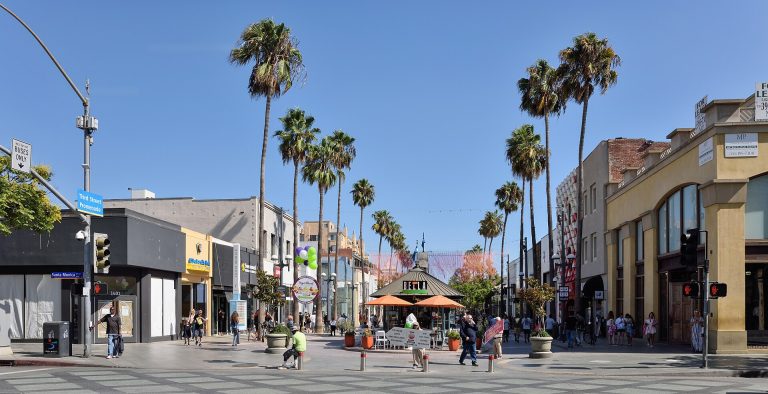
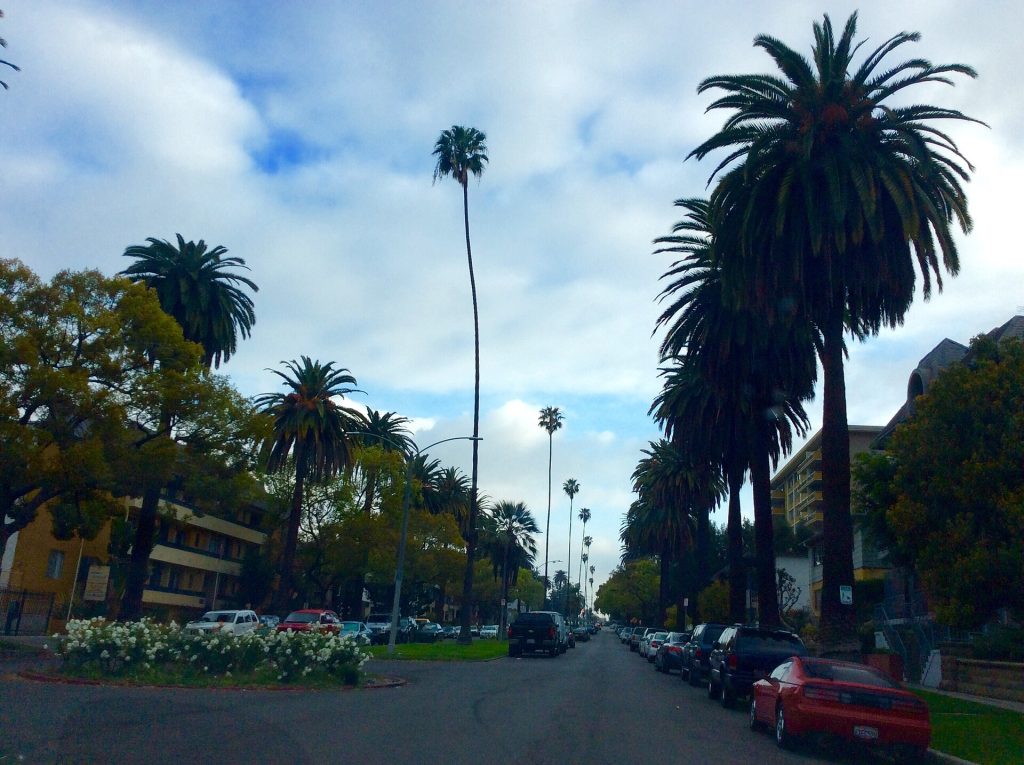
Photo: Downtowngal / Wikimedia Commons, CC BY-SA 4.0
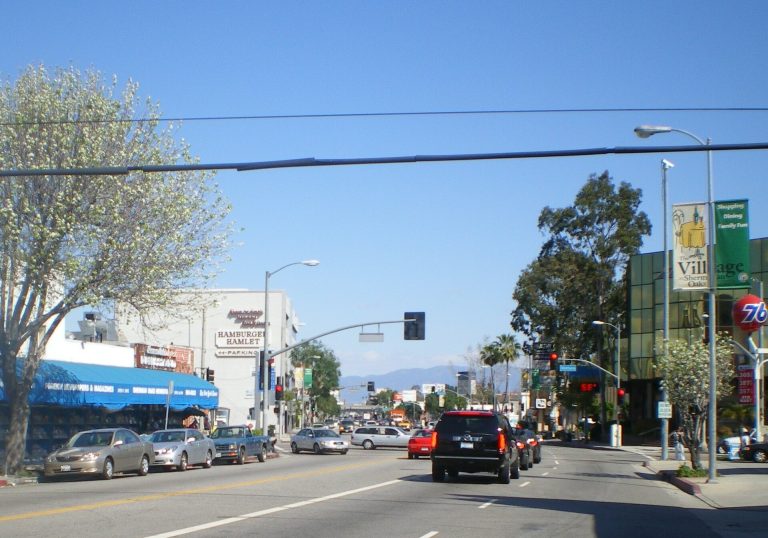
Photo: Downtowngal / Wikimedia Commons, CC BY-SA 4.0
Photo: HanSangYoon / Wikimedia Commons, CC BY-SA 4.0