Moving With Pets: How to Make the Transition Easier
Moving can be stressful for pets, who rely on routine and familiar surroundings. With some planning, you can make the move smoother for your dog, cat or other animal and help them settle into a new apartment more quickly.
Finding a pet-friendly apartment
Start your search with pet policies in mind. Rental listings often state whether pets are allowed, but details matter. Ask about:
- Types, sizes and breeds allowed
- Number of pets allowed
- Pet deposits, fees or monthly pet rent, which may be limited by state or local law
- Rules for common areas, leashes and waste
- Nearby parks or green space
Prepare a short pet resume with your pet’s age, breed, vaccination records, spay or neuter status, training and references from past landlords. It can help your application.
Assistance animals are not considered pets under federal fair housing rules, and different rules apply. HUD provides guidance on assistance animals.
Before the move
- Schedule a vet visit to update vaccinations and get copies of records.
- Update microchip and ID tag information with your new address and phone number.
- Ask your vet about options if your pet gets anxious or carsick.
- Leave moving boxes out early so pets get used to them.
- Keep feeding and walking routines as consistent as possible.
- If moving to a new state, check any entry requirements for pets.

Moving day
Moving day can be chaotic, with open doors and strangers carrying boxes. To keep pets safe:
- Keep pets in a quiet, closed room with water, a bed and toys, and put a sign on the door.
- Consider having a friend, sitter or daycare care for them for the day.
- Transport cats and small animals in secure carriers.
- Never leave pets unattended in a hot car.
- Pack a pet essentials bag with food, bowls, medications, leash, waste bags, litter, toys and a familiar blanket.
Settling into the new apartment
- Pet-proof first: check for gaps, open windows without screens, loose cords and toxic plants.
- Set up a familiar space with their bed, bowls and toys before letting them explore.
- Introduce cats to one room at a time, then expand access gradually.
- Walk dogs around the new neighborhood so they can learn new sights and smells.
- Keep routines steady: feeding, walks and play at the same times.
- Find a new vet and emergency animal hospital nearby.

Being a good pet-owning neighbor
In apartment buildings, noise and shared spaces matter. Help pets adjust to new sounds, address barking early, clean up promptly and follow building rules. Consider a rug to soften footsteps for downstairs neighbors.
Signs of stress
It is normal for pets to be a little unsettled for a few days. Watch for changes such as hiding, not eating, accidents or excessive vocalizing. If problems continue, talk to your veterinarian.
Protecting your deposit
Document the apartment’s condition when you move in, especially floors and doors. Use scratching posts, protective mats and regular nail trims to prevent damage. See our guide to getting your security deposit back.
With planning and patience, your pet can feel at home in your new apartment almost as quickly as you do.
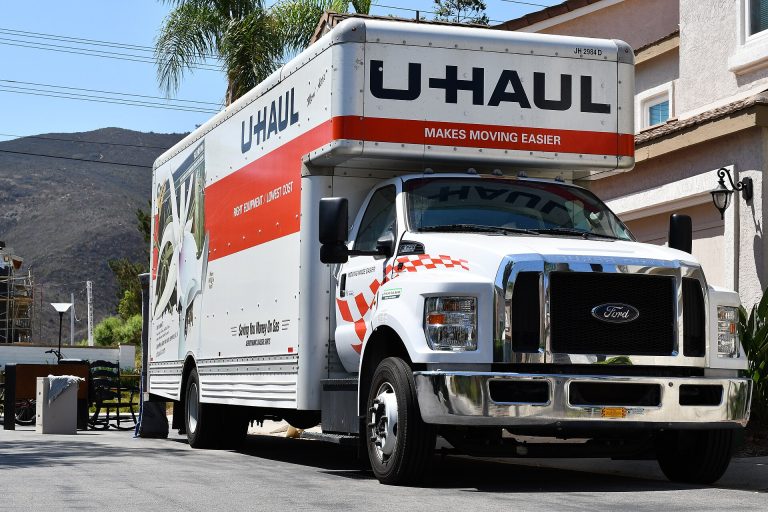
Photo: Leo Rivas-Micoud leorivasmicoud / Wikimedia Commons, CC0
Photo: freestocks.org freestocks / Wikimedia Commons, CC0
Photo: Mike Tinnion m15ky / Wikimedia Commons, CC0