Buying a Condo or Apartment: The Steps from Budget to Keys
Buying an apartment, whether a condominium or, in some cities, a co-op, is a big financial step. It is also different from buying a detached house in a few important ways, mostly because you share a building, common areas and costs with other owners. This guide walks through the typical path from early planning to receiving your keys, with notes on where condo purchases need extra attention.
This is general information. Mortgage programs, taxes and real estate practices vary by state and lender. Talk to licensed professionals about your situation.
1. Look honestly at your finances
Before browsing listings, review your income, savings, debts and credit. Lenders look closely at your debt-to-income ratio, your credit history and the source of your down payment. Remember that owning a condo brings monthly costs beyond the mortgage payment: property taxes, homeowners insurance (often an interior or “walls-in” policy for condos), and homeowners association (HOA) dues.
The Consumer Financial Protection Bureau’s Buying a House tools are a free, neutral place to start learning about budgets and loan options. You can also try our mortgage calculator to estimate monthly payments.
2. Learn the loan options
Common types include conventional loans, FHA loans insured by the Federal Housing Administration, VA loans for eligible veterans and service members, and USDA loans in eligible areas. Each has different down payment, credit and mortgage insurance requirements. For condos, there is an additional wrinkle: some government-backed loans require the condo project itself to meet approval standards. HUD offers a searchable list of FHA-approved condominium projects.

3. Get preapproved
A preapproval letter shows sellers that a lender has reviewed your finances and is prepared to lend up to a certain amount, subject to conditions. It also gives you a realistic price range. Shopping with more than one lender can help you compare rates and fees. Each lender must give you a standardized Loan Estimate after you apply, which makes side-by-side comparisons easier.
4. Choose an agent and define your search
Many buyers work with a real estate agent who knows the local condo market. Ask how they are paid and get any buyer agreement in writing. Then define your search: neighborhoods, size, building amenities, parking, pet policies and your tolerance for older buildings that may need repairs.

5. Evaluate the building, not just the unit
With a condo, you are buying into a shared property and a shared budget. Before making an offer, or during your contingency period, review the HOA documents carefully. Ask for:
- Current budget and financial statements: Is the association collecting enough to cover expenses?
- Reserve study and reserve balance: Is money set aside for big future repairs like roofs, elevators and plumbing?
- Meeting minutes: Minutes often reveal upcoming projects, disputes or planned special assessments.
- CC&Rs and bylaws: These set the rules on rentals, pets, renovations and use of common areas.
- Insurance: Know what the master policy covers and what you must insure yourself.
- Litigation: Pending lawsuits can affect financing and future costs.
Rental restrictions matter if you might rent the unit out later. Some associations cap the number of rented units or set minimum lease terms.
6. Make an offer
Your agent will help you decide on a price based on comparable recent sales. An offer usually includes the price, deposit amount (often called earnest money), financing details, a target closing date and contingencies. Contingencies are conditions that let you back out or renegotiate, such as satisfactory inspection, appraisal, loan approval and review of HOA documents. Waiving contingencies can make an offer more competitive but also increases your risk.
7. Inspect
A home inspection on a condo focuses on the unit itself: electrical, plumbing fixtures, appliances, windows, HVAC equipment that serves your unit, and signs of water damage. Ask the inspector to note anything that might involve common elements, like pipes in the walls or the roof above a top-floor unit, so you can ask the HOA who is responsible.
8. Appraisal and final loan approval
Your lender will order an appraisal to confirm the property’s value supports the loan amount. The lender will also review the condo project, often with a questionnaire completed by the HOA or its management company. Respond quickly to lender requests for documents to keep things on schedule.
9. Review your Closing Disclosure
At least three business days before closing, your lender must provide a Closing Disclosure showing your final loan terms and closing costs. Compare it with your Loan Estimate and ask about any differences. The CFPB has a helpful Closing Disclosure explainer. See also our guide to understanding closing costs.
10. Protect yourself from wire fraud
Criminals sometimes send fake emails pretending to be a title company or agent, asking buyers to wire closing funds to a fraudulent account. Always confirm wiring instructions by calling a phone number you have verified independently, not one listed in an email. Never send money based on emailed instructions alone.
11. Final walkthrough and closing
Shortly before closing, walk through the unit to confirm it is in the agreed condition and that any agreed repairs are done. At closing you will sign the loan documents and deed-related paperwork, pay your remaining funds, and, once the transaction records, receive the keys.
After you move in
Register with the HOA or management company, learn the building’s move-in rules, set up your interior insurance policy, and keep copies of all closing documents. Attend HOA meetings when you can; as an owner, you have a voice in how the building is run and how your money is spent.
Taking each step carefully, especially the HOA review, helps you buy an apartment you will enjoy living in and that remains a sound investment over time.
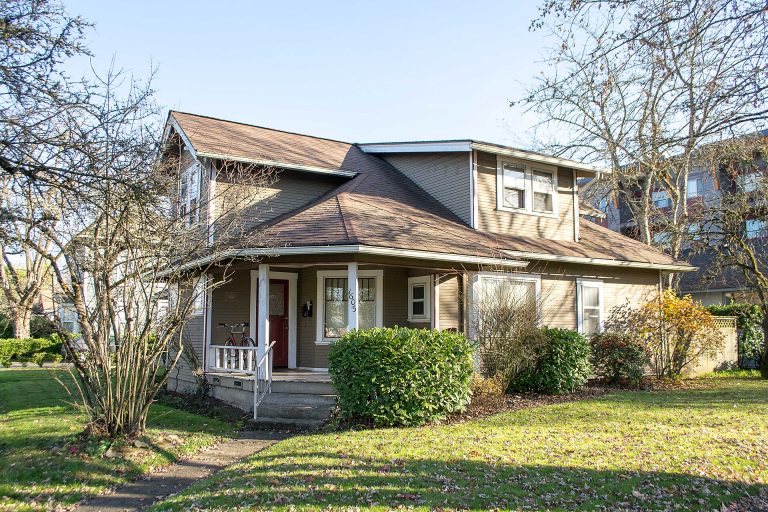
Photo: Lsanburn / Wikimedia Commons, CC BY-SA 3.0
Photo: Farragutful / Wikimedia Commons, CC BY-SA 4.0
Photo: Lsanburn / Wikimedia Commons, CC BY-SA 3.0