The Complete Apartment Moving Checklist
Moving from one apartment to another involves dozens of small tasks, and forgetting one can cost money or create stress. This checklist organizes the work into a timeline, starting about two months before your move. Adjust it to your situation; if you have less time, simply combine the steps.
Six to eight weeks before
- Review your current lease. Check how much notice you must give and how it must be delivered. Many leases require written notice by a specific date.
- Give written notice to your current landlord, and keep a copy.
- Set a moving budget covering movers or truck rental, supplies, deposits, first month’s rent and overlap days.
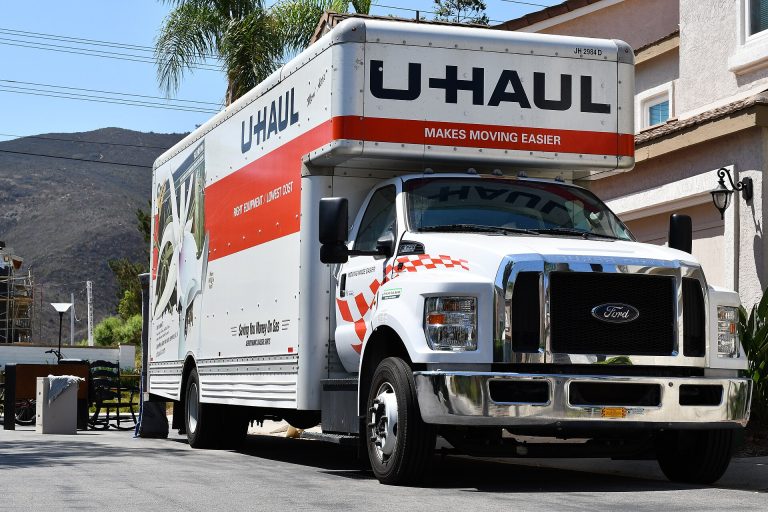
- Decide how you will move: full-service movers, labor-only help with a rental truck, or doing it yourself with friends.
- Get several moving quotes. Ask for written estimates. For interstate moves, the Federal Motor Carrier Safety Administration’s Protect Your Move site explains how to check a mover’s registration and your rights.
- Start decluttering. Every item you do not move saves time and money.
Four to six weeks before
- Book your movers or truck and confirm the date, time and what is included.
- Reserve elevators and loading zones. Many apartment buildings require booking a freight elevator or setting moving hours, at both the old and new buildings. Ask about any required certificate of insurance from movers.
- Gather supplies: boxes in several sizes, packing tape, markers, paper, bubble wrap and furniture pads.
- Sell or donate items you will not bring.
- Collect important records such as school, medical and veterinary records if you are changing providers.
Two to four weeks before
- Start packing rarely used items: off-season clothes, books, decor, extra kitchenware.
- Label each box with the destination room and a short list of contents. Numbering boxes helps you check that everything arrived.
- Schedule utilities. Arrange to stop service at your old address the day after you move out and start service at your new address on or before move-in day. This usually includes electricity, gas, water if applicable, and internet. Internet installations can take time to schedule, so book early.
- Update renter’s insurance to cover your new address from move-in day.
- Change your address. You can submit a change of address with the U.S. Postal Service through the official USPS mail forwarding page. Be careful of look-alike sites that charge extra fees.
One to two weeks before
- Update your address with your bank, employer, credit cards, subscriptions and any agencies you deal with. In many states you must update your driver’s license address within a set time after moving; check your state DMV’s website.
- Confirm details with your movers, both buildings and anyone helping you.
- Plan for pets and children on moving day, such as a sitter or a quiet room.
- Use up food in the freezer and pantry.
- Pack most of your belongings, leaving only essentials out.
- Schedule a move-out inspection with your landlord if your state or lease allows one. A pre-move-out inspection may let you fix issues before final deductions.

A few days before
- Pack an essentials bag with medications, chargers, toiletries, a change of clothes, important documents, basic tools, toilet paper, snacks and bedding for the first night.
- Defrost and clean the refrigerator if you are taking it, or clean it if you are leaving it.
- Disassemble furniture and keep screws in labeled bags taped to the piece.
- Withdraw a little cash for tips or unexpected expenses, if you plan to tip.
Moving day
- Be present when the movers arrive, and walk them through the job.
- Review paperwork such as the bill of lading or inventory before signing.
- Protect floors and doorways in both apartments.
- Do a final walkthrough of your old apartment: closets, cabinets, balcony, storage locker and mailbox.
- Clean and photograph the empty apartment, room by room, as evidence of its condition.
- Return keys as instructed and get written confirmation if possible.
- Provide a forwarding address in writing to your landlord for your deposit refund.
Your first week in the new apartment
- Document the condition of the new unit with dated photos and a move-in checklist before unpacking much.
- Test safety devices such as smoke detectors and carbon monoxide alarms, and report any problems in writing.
- Locate key shutoffs for water and the electrical panel.
- Unpack essentials first: bed, bathroom and kitchen basics.
- Check that utilities and internet are working.
- Meet the building staff and learn how to submit maintenance requests.
- Change your voter registration address if needed; you can find your state’s process at Vote.gov.
A note on security deposits
Your move-out photos and forwarding address are important for getting your deposit back from your old landlord. Read our guide on getting your security deposit back for more.
Print-friendly summary
Notice given, movers booked, elevators reserved, utilities scheduled, address changed, insurance updated, essentials packed, old unit cleaned and photographed, keys returned, new unit documented. If you can check off each of those, you have handled the most important parts of an apartment move.
Frequently asked questions
How far in advance should I book movers?
Booking several weeks ahead is wise, and even earlier for weekends, the end of the month and summer, which are popular moving times. Get written estimates from more than one company.
What should go in my moving-day essentials bag?
Medications, phone chargers, important documents, toiletries, a change of clothes, basic tools, snacks, toilet paper and bedding for the first night. Keep this bag with you rather than on the truck.
Do I need to tell my old landlord my new address?
Yes. Provide a forwarding address in writing so your landlord can send your security deposit or an itemized statement of deductions.
Photo: Henry Söderlund / Wikimedia Commons, CC BY 2.0
Photo: WillNemoy / Wikimedia Commons, CC BY-SA 4.0
Photo: Bench Accounting benchaccounting / Wikimedia Commons, CC0