AB 1482 California Rent Cap 2026: The 8.7% Limit in LA County Explained
The Tenant Protection Act of 2019 (AB 1482) is California’s statewide rent cap and just-cause eviction law. It lives in Civil Code § 1947.12 (rent cap) and Civil Code § 1946.2 (just cause). In Los Angeles it matters most for units that are not under a stronger local rent-control law, such as post-1978 apartment buildings in the City of LA or apartments in cities without rent control.
Last updated: October 31, 2026. By the Apartments Club Editorial Team. Sources are primary: statutes, ordinances and official agency pages, linked in the text.
Not legal advice. This guide summarizes public law for general information. Your situation may differ. For help, contact the LAHD hotline at 866-557-7368, the Stay Housed L.A. program, or a licensed California attorney.
The 2026-27 maximum increase in Los Angeles County: 8.7%
The cap is 5% plus the percentage change in the cost of living, but never more than 10%, in any 12-month period (Civil Code § 1947.12(a)(1)). For the Los Angeles area, the cost-of-living change comes from the April CPI published by the U.S. Bureau of Labor Statistics. The California Attorney General’s rent cap chart lists:
| Area | Increase starts 8/1/2025 to 7/31/2026 | Increase starts 8/1/2026 to 7/31/2027 |
|---|---|---|
| Los Angeles Area (Los Angeles and Orange counties) | 8% | 8.7% |
| Riverside Area (Riverside and San Bernardino) | 7.5% | 8.1% |
| San Diego County | 8.8% | 8.2% |
| San Francisco Area | 6.3% | 8.8% |
| All other counties | 7.7% | 8.6% |
Worked example: on a $2,772 rent (the typical City of LA asking rent in September 2026, per our rent report), the most an AB 1482-covered landlord can add for an increase starting between August 1, 2026 and July 31, 2027 is 8.7%, or $241 a month. The base is the lowest gross rent charged at any time in the prior 12 months, and the landlord may raise rent no more than twice in those 12 months, with the total still under the cap (§ 1947.12(a)).
The AG chart is informational; the law itself controls. Local rent-control laws can set lower limits: in the City of LA, RSO units are capped at 3% from July 1, 2026 to June 30, 2027 (LAHD).
Which units are exempt
Civil Code § 1947.12(d) lists exemptions. The ones LA renters meet most often:
- Newer buildings: housing issued a certificate of occupancy within the previous 15 years. This is a rolling window, so in 2026 buildings first occupied around 2011 and earlier are generally covered.
- Single-family homes and condos that can be sold separately, if the owner is not a REIT, corporation, or LLC with a corporate member, and the tenant received the written exemption notice required by § 1947.12(d)(5).
- An owner-occupied duplex where the owner lived in one unit from the start of the tenancy.
- Units already subject to local rent control that is stricter, such as LA’s RSO, and deed-restricted affordable housing.
- Dormitories run by schools, and some other housing types listed in the statute.

Just-cause eviction under AB 1482
Once a tenant has continuously and lawfully occupied the unit for 12 months, the landlord needs a just cause listed in § 1946.2(b) to end the tenancy. If an additional adult tenant joins before the existing tenants reach 24 months, the protection begins when all tenants reach 12 months or any one reaches 24 months (§ 1946.2(a)). For “no-fault” reasons, such as owner move-in, withdrawal from the market, or a substantial remodel, the landlord must pay relocation equal to one month’s rent or waive the final month’s rent (§ 1946.2(d)). In the City of LA, the stronger Just Cause Ordinance usually applies after six months and pays more.
How to check your increase
- Find the lowest rent you paid in the last 12 months.
- Multiply it by 1.087 (for an increase starting August 1, 2026 or later in LA County).
- If the new rent is higher, ask the landlord which exemption they rely on and for the written exemption notice.
- For increases over 10%, state law requires 90 days’ written notice (Civil Code § 827).
- Report suspected violations to the Attorney General or seek legal help.
Related guides
- LA Rent Control (RSO) explained
- LA Just Cause Ordinance explained
- AB 12 security deposit cap
- LA RSO rent increase calculator
Sources: Civil Code § 1947.12; Civil Code § 1946.2; CA Attorney General, Limits on Rent Increases; LAHD Renter Protections. Checked October 31, 2026. How we source: Editorial Standards.
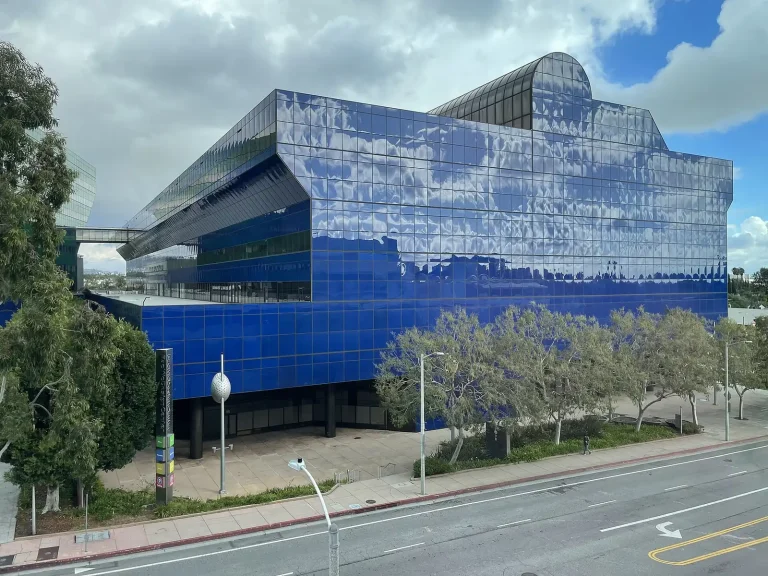
Featured photo: Photo: Austin Lee censor / Wikimedia Commons, CC0
Have a question about renting in LA?
Ask other LA renters and our editors in the moderated Q&A forum.
Ask LA renters Landlord? Post a rental freeGet new LA rentals & renter guides weekly
Fresh listings, rent data and practical guides. Free, no spam, unsubscribe anytime.