AB 12 Security Deposit Cap in California: One Month Rent Rule Explained
Since July 1, 2024, California landlords can generally ask for a security deposit of no more than one month’s rent, whether the apartment is furnished or not. That change came from AB 12 (Haney, Chapter 733, Statutes of 2023), which amended Civil Code § 1950.5. Before it, the limit was two months for unfurnished units and three for furnished ones.
Last updated: October 31, 2026. By the Apartments Club Editorial Team. Sources are primary: statutes, ordinances and official agency pages, linked in the text.
Not legal advice. This guide summarizes public law for general information. Your situation may differ. For help, contact the LAHD hotline at 866-557-7368, the Stay Housed L.A. program, or a licensed California attorney.
The rule
Civil Code § 1950.5(c)(1): a landlord shall not demand or receive security, however labeled, above one month’s rent, in addition to the first month’s rent. “However denominated” means a separate “pet deposit,” “cleaning deposit” or “key deposit” counts toward the same one-month total (see also the LA County Department of Consumer and Business Affairs).
Deposits collected before July 1, 2024 are not affected (§ 1950.5(c)(6)). If you moved in earlier and paid two months, the landlord does not have to refund the difference.
The small-landlord exception
A landlord may charge up to two months’ rent if both are true (§ 1950.5(c)(5)):
- The landlord is a natural person, or an LLC whose members are all natural persons (a family trust counts as a natural person), and
- The landlord owns no more than two residential rental properties that together include no more than four units offered for rent.
The exception does not apply if the prospective tenant is a service member, and a landlord cannot refuse to rent to a service member because of it.
What it means in LA dollars
Using our LA Move-In Cost Index, the typical City of LA asking rent of $2,772 (Zillow ZORI, September 2026) means move-in cash of about $5,544 (first month plus a one-month deposit) at a covered landlord, or up to $8,316 at a small landlord using the two-month exception. Before AB 12, an unfurnished deposit could have been twice as large.
Getting the deposit back
- 21 days: after you move out, the landlord must return the deposit, or send an itemized statement of deductions, within 21 days (§ 1950.5(g)).
- Allowed deductions are unpaid rent, cleaning to the move-in level, repair of damage beyond ordinary wear and tear, and restoring personal property (§ 1950.5(b)).
- Photos (AB 2801): for tenancies starting on or after July 1, 2025, the landlord must photograph the unit at or just before move-in. Since April 1, 2025, the landlord must photograph the unit after move-out and before and after repairs or cleaning that are deducted (Civil Code § 1950.5 as amended by AB 2801).
- Bad-faith withholding can cost the landlord up to twice the deposit in damages (§ 1950.5(l)).
Our step-by-step guide to getting your security deposit back covers move-out inspections and small claims.
RSO units
For City of LA units under the Rent Stabilization Ordinance, LAHD allows the deposit to rise by the same percentage as the annual rent increase, at the same time (LAHD bulletin). For 2026-27 that is 3%.
Related guides
- AB 1482 statewide rent cap
- LA RSO explained
- LA Just Cause Ordinance
- Moving to LA: costs and checklist
Sources: Civil Code § 1950.5; AB 12 bill text; AB 2801; LA County DCBA; CA DRE. Checked October 31, 2026. How we source: Editorial Standards.
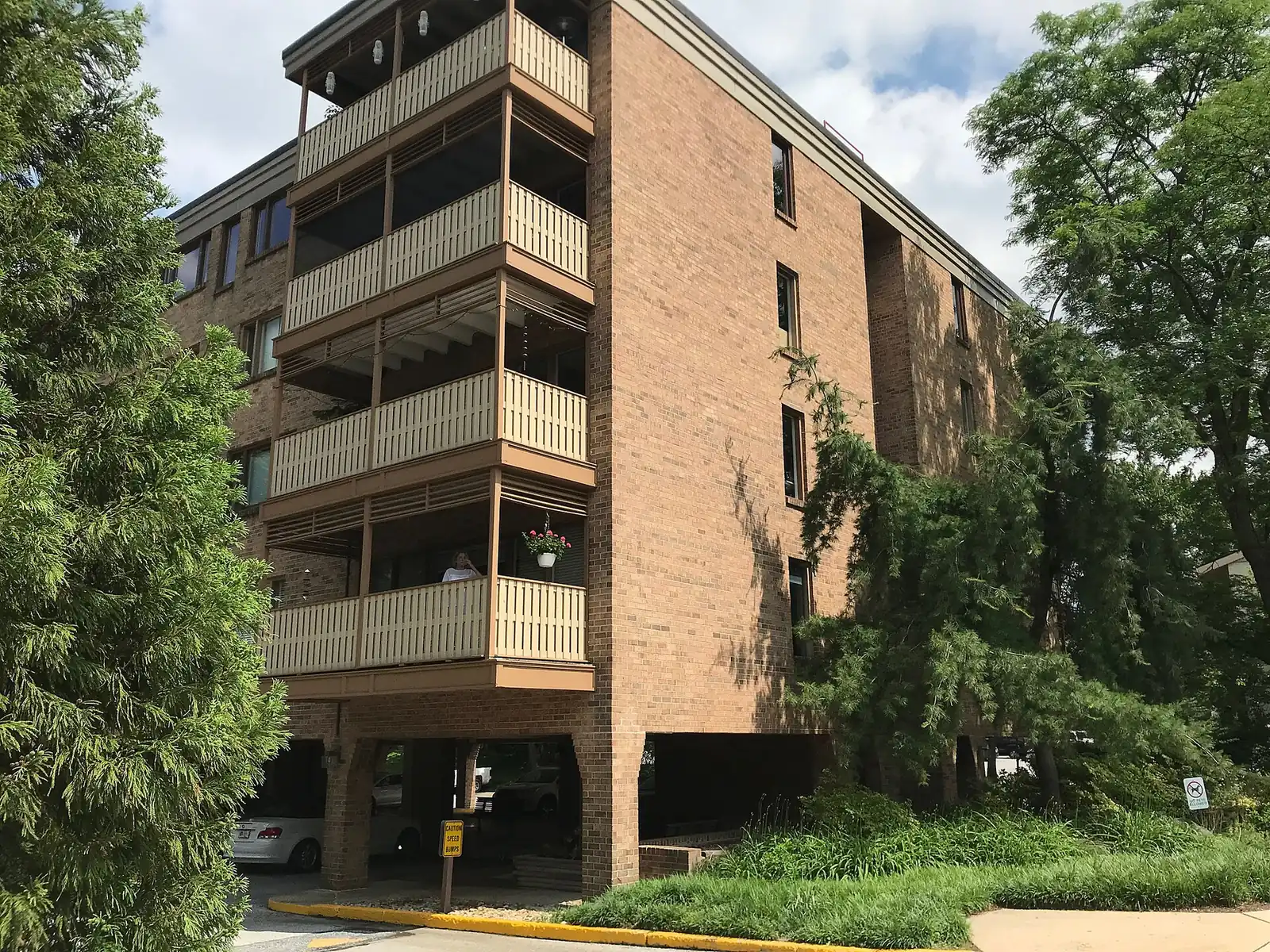
Featured photo: Photo: Baltimore Heritage from Baltimore, MD, USA / Wikimedia Commons, CC0
Dispute over a security deposit?
Ask LA renters in our security deposit thread.
Ask LA renters Landlord? Post a rental freeGet new LA rentals & renter guides weekly
Fresh listings, rent data and practical guides. Free, no spam, unsubscribe anytime.