
How to Spot a Rental Scam (and Protect Your Deposit)
Searching for an apartment online is convenient, and that convenience is exactly what rental scammers count on. Fake listings show up on classified sites, social media groups and even legitimate rental platforms. They often look like the perfect place at a great price, and they are designed to get you to send money before you realize something is wrong.
The good news is that most rental scams follow familiar patterns. Once you know the warning signs and a few simple verification steps, you can search with confidence and keep your deposit safe.
How rental scams usually work
Most schemes fall into a handful of types:
- Hijacked listings. A scammer copies photos and descriptions from a real listing, posts them with a lower price and their own contact information, and collects “deposits” from people who believe they are dealing with the owner.
- Phantom rentals. The apartment does not exist, is not for rent, or is already occupied.
- Bait and switch. You are shown one unit and then handed a lease or keys for a different, worse one, or the price changes after you pay.
- Fee harvesting. Someone collects application or “holding” fees from many applicants for a unit they cannot actually rent to any of them.
- Identity theft. A fake application asks for your Social Security number, bank details or copies of ID, which can then be misused.
The Federal Trade Commission (FTC) publishes consumer guidance on rental listing scams that describes many of these same tactics.
Red flags to watch for
No single sign proves a listing is fake, but the more of these you notice, the more careful you should be.
- The price is far below similar apartments nearby. Compare with other listings in the same neighborhood. A deal that seems too good to be true deserves extra checking.
- You cannot see the apartment. The “landlord” is out of the country, traveling for work or doing missionary work, and offers to mail the keys once you pay.
- Pressure to act fast. You are told many people are interested and you must send money today to hold the unit.
- Money before a lease or a tour. You are asked for a deposit, first month’s rent or fees before you have seen the place or signed anything.
- Unusual payment methods. Requests for wire transfers, gift cards, cryptocurrency or payment apps meant for friends and family are a major warning sign, because those payments are hard to trace or reverse.
- Vague or evasive answers. The contact cannot answer basic questions about the building, utilities or neighborhood, or avoids talking on the phone.
- No screening at all. A legitimate landlord usually wants to know who is moving in. Someone who skips any application but wants money right away may not be the real owner.
- Mismatched details. The same photos appear in another listing with a different address, name or price.

How to verify a listing and a landlord
A few minutes of research can save you a lot of money and frustration.
- Search the address. Look it up online and see whether the same unit is listed elsewhere with different contact information or price.
- Do a reverse image search. Run listing photos through an image search to see whether they were copied from another site.
- Check ownership. County assessor or recorder records, often searchable online, show who owns a property. If the person renting it to you is not the owner, ask how they are connected, and confirm with the property management company directly.
- Call the management company yourself. Use a phone number from the company’s official website, not the one in the listing, and ask whether the unit is available and who is handling it.
- Verify licenses. If you are working with a real estate agent or broker, look them up with the state licensing agency. In California, that is the Department of Real Estate.
- Tour in person. Visit the apartment, or send someone you trust. Make sure you go inside, not just look at the building from the street. If you are relocating from far away, ask for a live video tour where the person walks through the unit in real time.
- Read the lease before paying. A real landlord will provide a written lease. Check that names, address, rent and deposit amounts match what you were told. Our guide to lease clauses explains what to look for.
How to pay a deposit safely
Your security deposit and first month’s rent are often the largest checks you write during a move, so how you pay matters.
- Pay only after you have seen the unit and signed a lease with a landlord or manager you have verified.
- Use a traceable method such as a check, cashier’s check delivered in person, an established property management payment portal, or a credit card where accepted.
- Avoid cash, wire transfers, gift cards and crypto. These are favorites of scammers precisely because they are difficult to recover.
- Get a receipt for every payment, showing the amount, date, purpose and the name of the person or company that received it.
- Know the rules on deposits. Many states limit how much a landlord can charge for a security deposit and set deadlines for returning it. Check your state’s rules; our tenant rights basics guide is a good starting point.
Once you are in, protecting your deposit shifts to documenting the unit’s condition and following your lease. Our guide on getting your security deposit back explains how.

Protect your personal information
Rental applications legitimately ask for personal details, but share them carefully.
- Do not send your Social Security number, bank account numbers or ID copies until you have verified the landlord and the property.
- Prefer secure online application portals over sending documents by text or chat message.
- Be cautious with “credit check” links sent by the landlord. Some scams use fake screening sites to collect personal data and fees. If you already have a recent credit report, ask whether the landlord will accept it.
- Watch your bank and credit accounts after applying for apartments, and consider a credit freeze if you think your information was exposed.
What to do if you think you have been scammed
If you sent money or personal information to someone you now suspect is a scammer, act quickly.
- Contact your bank, card issuer or payment service right away and ask whether the payment can be stopped or reversed.
- Stop communicating with the scammer, but save all messages, listings, receipts and screenshots.
- Report the listing to the website or app where you found it.
- Report the scam to the FTC at ReportFraud.ftc.gov and to the FBI’s Internet Crime Complaint Center if it happened online. You can also file a report with local police.
- Protect your identity if you shared sensitive data. The FTC’s IdentityTheft.gov site offers a recovery plan.
A note on moving scams
Scams do not stop once you find an apartment. Some fraudulent moving companies quote a low price and then hold belongings until you pay more. Before booking, read our guide on how to choose a moving company and avoid scams.
Search smarter
Most landlords and property managers are honest, and a bit of healthy skepticism is all you need to tell them apart from the few who are not. Slow down, verify before you pay, and never let urgency push you into sending money for a place you have not seen.
When you are ready to look, browse apartments for rent on our listings board, and if something about a listing seems off, trust your instincts and ask questions before you commit. New to the search? Start with our step-by-step guide on how to find an apartment, get familiar with different areas through our Los Angeles neighborhood guides such as Santa Monica and West Hollywood, and set a realistic budget with our rent affordability calculator.
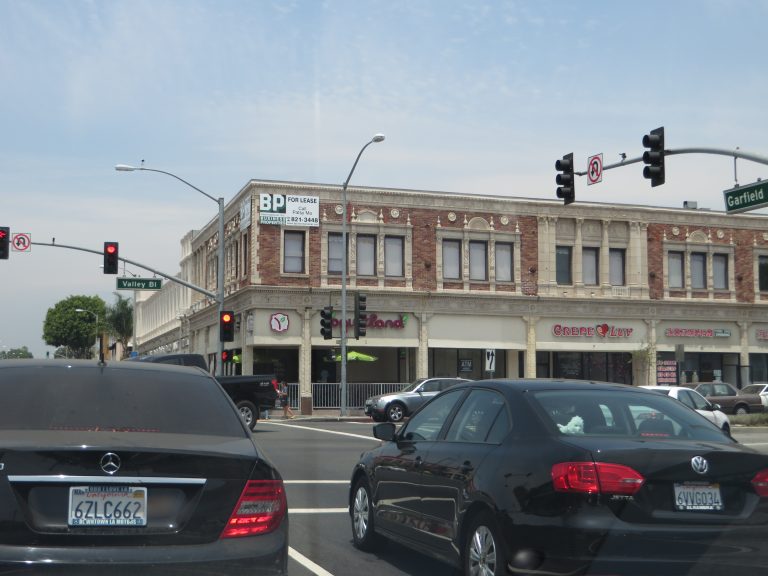
Photo: Alejandro Escamilla alejandroescamilla / Wikimedia Commons, CC0
Photo: Alex Robert alexrobert / Wikimedia Commons, CC0
Photo: Julian O'hayon anckor / Wikimedia Commons, CC0
Get new LA rentals & renter guides weekly
Fresh listings, rent data and practical guides. Free, no spam, unsubscribe anytime.


2 Comments
Comments are closed.